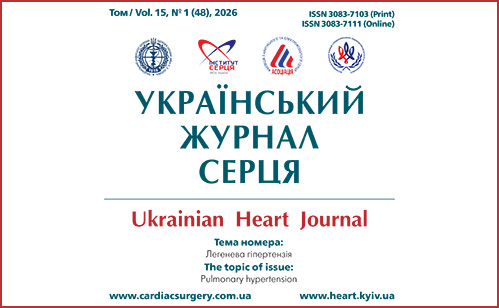
New Issue of the Ukrainian Heart Journal
This edition prioritizes original and review articles on the diagnosis and treatment of pulmonary hypertension and acute mesenteric ischemia.

This edition prioritizes original and review articles on the diagnosis and treatment of pulmonary hypertension and acute mesenteric ischemia.
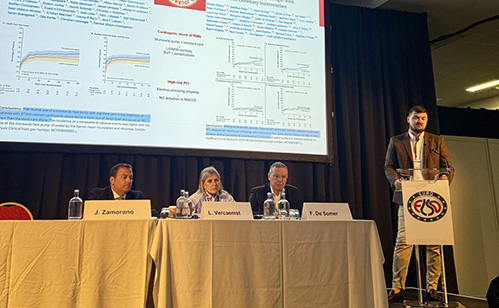
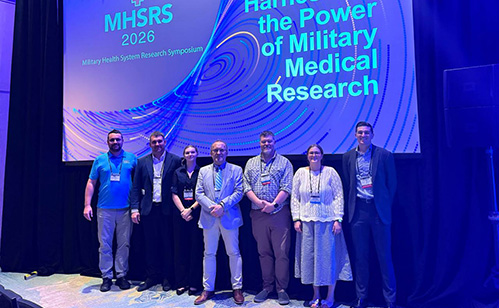
Ukrainian cardiac surgery continues to advance and maintain a high level of practice even during wartime. IHS 2026 became a platform for knowledge exchange, training, and inspiration.
Professor Oleksandr Romanyuk, pediatric cardiac surgeon, spoke about how over the past quarter of a century the Heart Institute has developed and refined the modified Ross procedure — a complex intervention for correcting aortic valve defects in children.
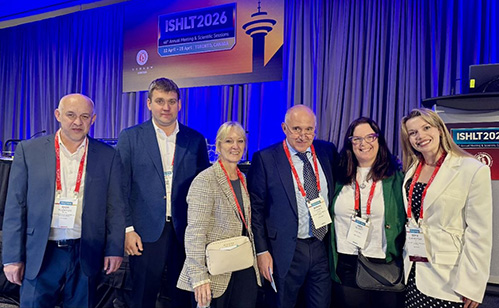
Throughout the program, they participated in all cardiac surgeries. Professor Borys Todurov delivered four lectures: two for the Alfred Health medical community and two for the Ukrainian diaspora.
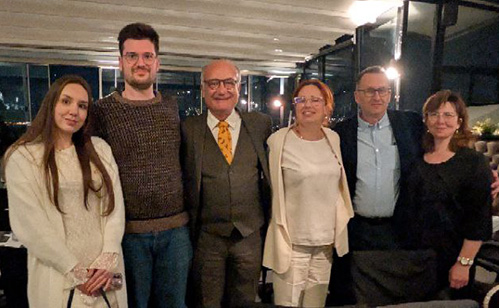
Ukrainian heart transplant surgeons from Kyiv are visiting Melbourne’s Alfred Hospital on a study and awareness tour, sharing their experiences of performing 63 heart transplants in 2025 during Russian rocket attacks, electricity blackouts and bombing raids.
Since its establishment in 2012, the journal has consistently expanded its presence in scientometric databases, actively engaged international experts, and gradually increased the number of publications in English. This work is an essential component of the successful integration of Ukrainian cardiology and cardiac surgery into the international community.
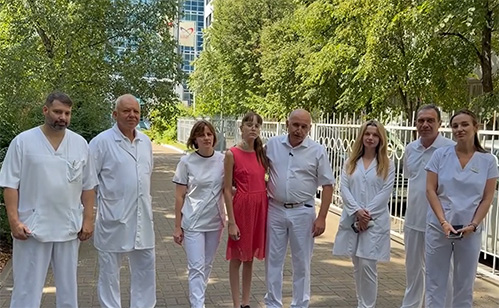
Today, we, the team of the Heart Institute of the Ministry of Health of Ukraine, have been awarded the 2025 Borys Paton National Prize of Ukraine. This is a great honor and, at the same time, recognition of our scientific and medical work.
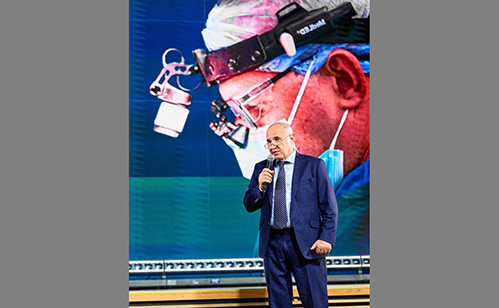
Professor Borys Todurov presented a report on the Heart Institute’s experience in performing pediatric heart transplants, particularly during wartime.
ur treatment outcomes remain on par with leading clinics in Europe and the United States.
During the conference, the Heart Institute signed a bilateral Memorandum of Cooperation in the fields of healthcare, education, and medical research.
Leading specialists from arrhythmology centers and academic departments in Kyiv, Lviv, Lutsk, and Odesa contributed to the scientific program. A particularly notable lecture was delivered by Professor Petar Platonov of Lund University (Sweden), focusing on the role of genetic research in arrhythmology.