

European and World Congress of Cardiology in Madrid
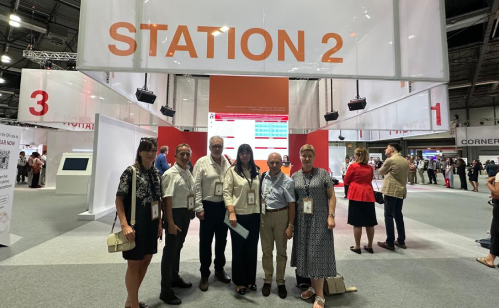
From August 29 to September 1, 2025, Madrid hosted the Congress of the European Society of Cardiology together with the World Congress of Cardiology.
This mega‑forum is considered the most significant global cardiology event of the year. More than 30,000 participants — physicians, representatives of pharmaceutical and medical technology companies, and journalists — from over 150 countries attended, including dozens of cardiologists and specialists from Ukraine. At a special session, King Felipe VI of Spain addressed the participants with words of welcome.

According to the European Society of Cardiology, in 2025 there are 62 million patients with cardiovascular diseases living in EU countries, and these diseases cause 4,600 deaths every day. During 10 “Hot Line” sessions, results of major controlled studies were presented, simultaneously published online in the world’s leading medical journals. The most impactful findings for clinical practice included studies on the effectiveness of beta‑blockers in patients with heart failure and preserved ejection fraction, cardiac glycosides and GLP‑1 receptor agonists in heart failure, as well as endovascular coronary and valvular interventions.
Traditionally, the European Congress of Cardiology is regarded as the most authoritative platform for announcing new guidelines. This year, new recommendations were presented on the diagnosis and treatment of myocarditis, pericarditis, cardiovascular diseases in pregnancy, valvular heart disease, dyslipidemia, and a consensus on mental health in cardiology patients. Participants also had the opportunity to explore new technologies in functional diagnostics and advanced imaging of the heart and vessels.
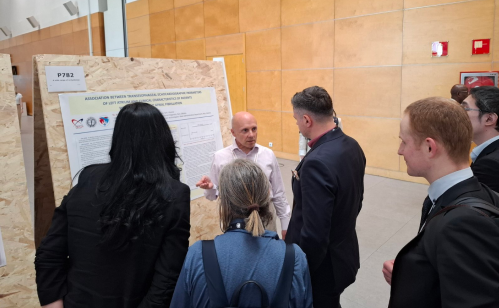
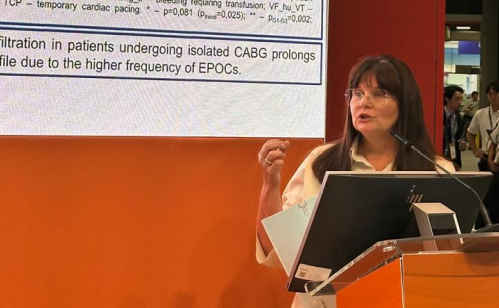
The scientific program was marked by strong participation of Ukrainian cardiologists from different regions, who delivered around 15 oral presentations and clinical case reports. Notably, results of a study on predictors of thrombus formation in patients with late persistent atrial fibrillation, conducted at the Department of Functional Diagnostics based at the Heart Institute of the Ministry of Health of Ukraine (Oleh Zharinov, Yaroslav Skybchyk), were presented. Staff of the Institute and the department also delivered an oral report on early complications of coronary artery bypass grafting depending on renal filtration function (Olha Yepanchintseva). A special scientific session was dedicated to the treatment of heart diseases in Ukraine under conditions of full‑scale war.
The active participation of Ukrainian specialists in this congress is of great importance for further integration of Ukrainian cardiology into the global community, for the rapid implementation of advances presented at the congress into clinical practice, for the development of scientific research, and for the continuous professional growth of physicians.